


 MOCA 201
 • Prevention
Course page
Phase I with Aligners
Be comfortable diagnosing and treating phase I patients with clear aligners.

The clinical framework behind every aligner case you will ever treat. Biomechanics first. Built for general dentists. Backed by the literature.
Most general dentists who struggle with clear aligners do not lack access. They lack clinical reasoning. That gap is invisible at case 1. By refinement 3, you feel it.
"Follow the setup and the case will follow."
You are at refinement 3. The case is not following.
"AI will make planning faster and easier."
AI suggested movements. The dentist still had to know which suggestions made sense.
"The software manages the biomechanics."
The software assumes compliance. Your patient did not read that memo.
"A good case should finish in one round."
Even well planned cases sometimes need additional aligners.
This is not a technique problem.
It is a reasoning problem.
And reasoning can be taught.
That is what MOCA is built around. Not recipes. A framework you apply to every case, in every situation, for the rest of your career.
Learn how experts think
Choose the path that matches your current confidence level. We will guide you from there.
Just starting
For dentists who want a structured entry into aligner therapy. Diagnose with confidence, choose the right cases, plan predictably, finish cleanly.
Some experience
You have treated cases but still feel uncertain on biomechanics, finishing, or case planning. Find where your gaps are and close them fast.
Confident provider
For experienced clinicians ready to treat kids, take on the cases you used to refer out, and finish with predictable outcomes.
Each path opens a page built for where you are. You stay on one track, nothing is locked, and you move up when you are ready.
Whether you are treating your first cases or your fiftieth, there is a track built for the decisions you are actually facing.
101
Clear Aligner Principles
Start at zero. Build a clinical foundation that holds up at case 10, case 50, and beyond.
Less than half of what many dentists charge for one clear aligner case. Build the confidence before the case walks in.
201
Mastering Clear Aligners
You can finish the straightforward cases. Now build the mechanics to keep the ones you refer out.
Less than half of one clear aligner case. Keep more cases, understand the mechanics, and stop guessing your way through complexity.
Meet Dr. Stéphane Reinhardt


More than 20 years using clear aligners in my clinical practice. Thousands of cases. I have watched clear aligners go from a curiosity to a standard of care, and I have followed my own patients long enough to know what holds and what relapses.
Early in my career, my focus was simple: being in clinic, treating patients, and learning from every case. Today, there is more information than ever. But information alone does not create confidence.
That matters, because what I teach is not theory I read last year. It is the distillation of more than 30 years of treating real patients, watching long term outcomes, making mistakes, and refining how I think about every case. The principles I share in MOCA come from cases I can still follow up on today.
Talking loud is easy, but it does not always come with experience. You need a clinician who has done the work, made the mistakes, and built a framework you can trust on your next patient.
Every video is a clinical argument. No product placement, no recipes. Watch a few and see if the reasoning changes how you look at your next case.
Featured · Start here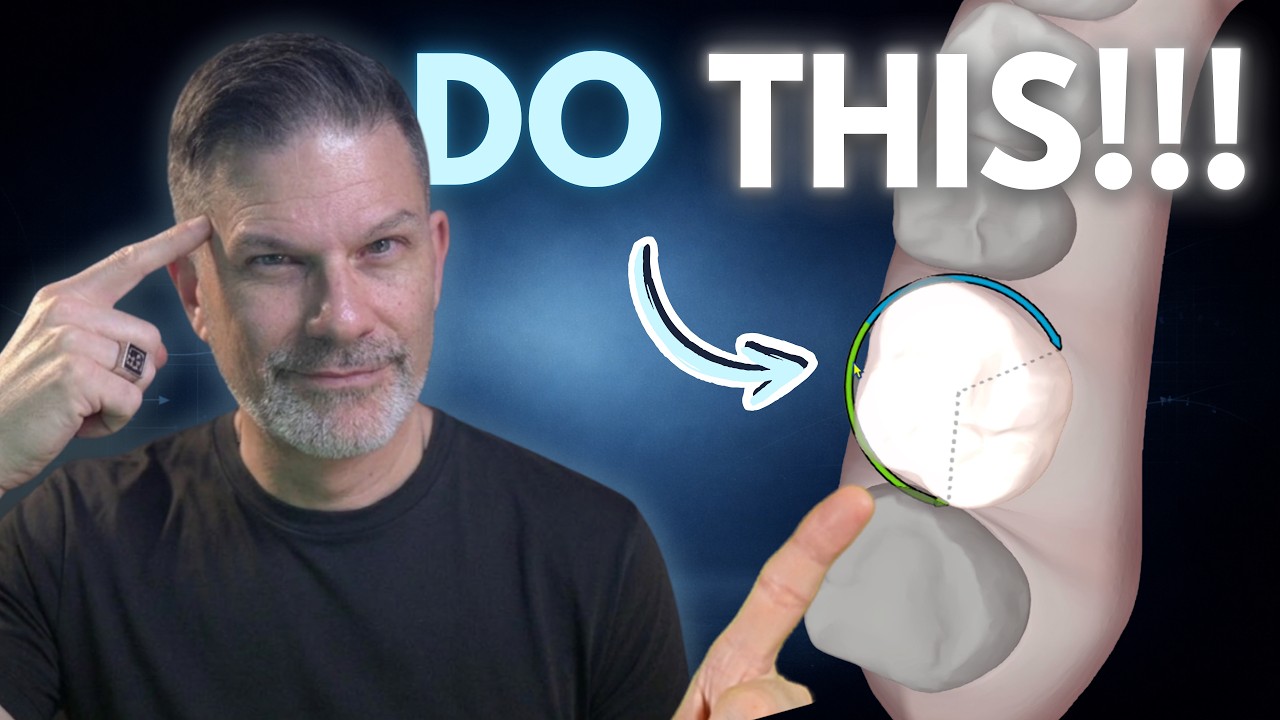
If this way of teaching makes sense to you,
tell us where you are right now.
Three paths, one for each level of experience. Pick yours and we take it from there.
Individual clinical courses
Most dentists get better structure, better value, and a clearer learning progression inside MOCA. But if one clinical topic is bothering you right now, you can start with an individual course and build from there.
MOCA 201Be comfortable diagnosing and treating phase I patients with clear aligners.
 MOCA 101
Spot problems earlier and know what to do next.
 MOCA 101
Know which attachments to use, where to place them, and why.
 MOCA 101
Establish a practical retention protocol.
 MOCA 201
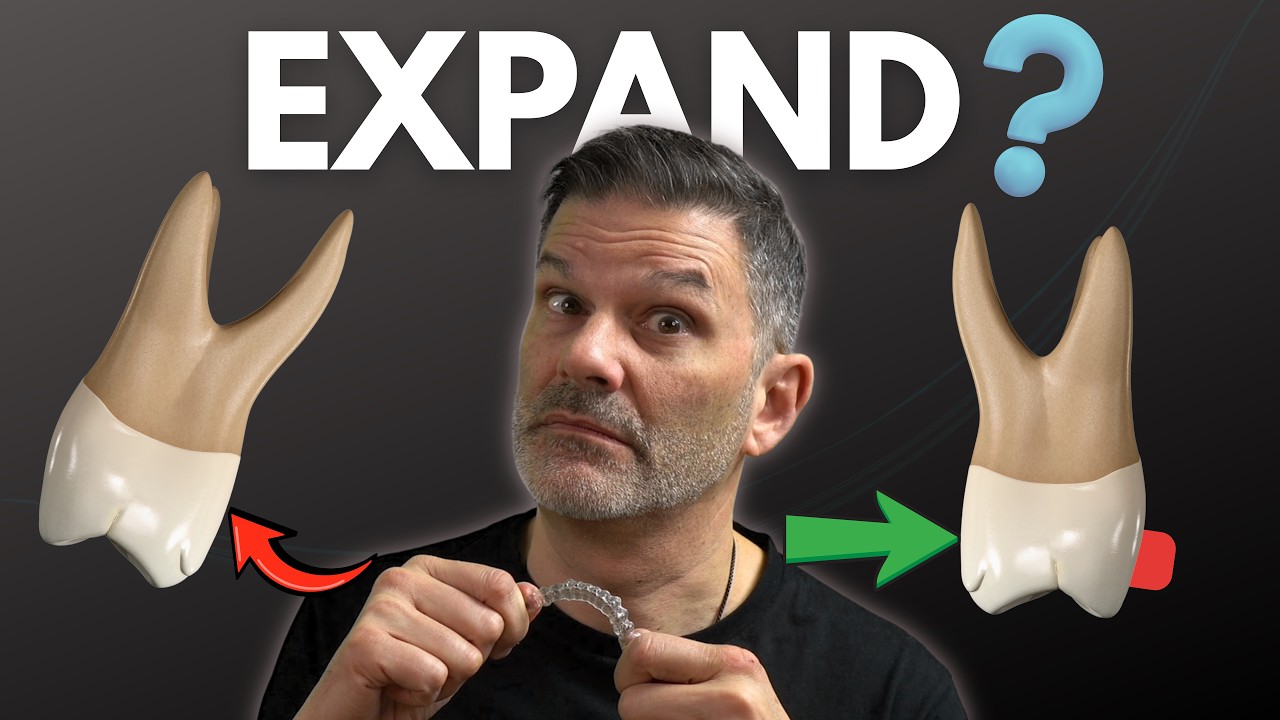
Understand why, how and when to use sequential distalization.
 MOCA 201
Diagnose and treat deep bites the right way.
 MOCA 101
Organize your delivery and follow up appointments.
 MOCA 101
Plan space creation with more confidence and less hesitation.
 MOCA 201
Recognize risk and intervene early to avoid ectopic cuspid eruption.
 MOCA 201
Demystify the complexity of root resorption in clear aligner therapy.
 MOCA 201
Develop effective aligner treatment plans for anterior open bite.
 MOCA 101
Choose better cases, avoid bad surprises, get confident.
The smarter long term path
Individual courses are useful when you need one specific answer. MOCA gives you the complete progression: diagnosis, planning, mechanics, troubleshooting, and clinical decision making.
Expert support, on your terms

Submit your case and get a personalized video review by Dr. Reinhardt. Every modification explained, every clinical decision justified. You get the plan and the reasoning you can apply to every case after this one.
Submit a case
30 or 60 minutes on Zoom with one of our educators. Bring your cases,your questions, your clinical frustrations. The session is recorded andsent to you. Real coaching, on your schedule.
Book a session
One or two days at your clinic. Your team, your cases, your workflow. We cover case selection, treatment planning, team communication, and patient acceptance. Everything is built around your practice, not a generic agenda.
Tell us about your needsClinical reading
Articles for dentists who want the why behind aligner treatment. Setup choices, biomechanics, diagnosis, patient behavior. The small decisions that decide whether a case finishes cleanly.
When a patient hesitates, money is usually the words, not the reason. Sometimes the problem was never explained clearly. Sometimes the team decided for the patient. Sometimes the answer was never no, only not yet.
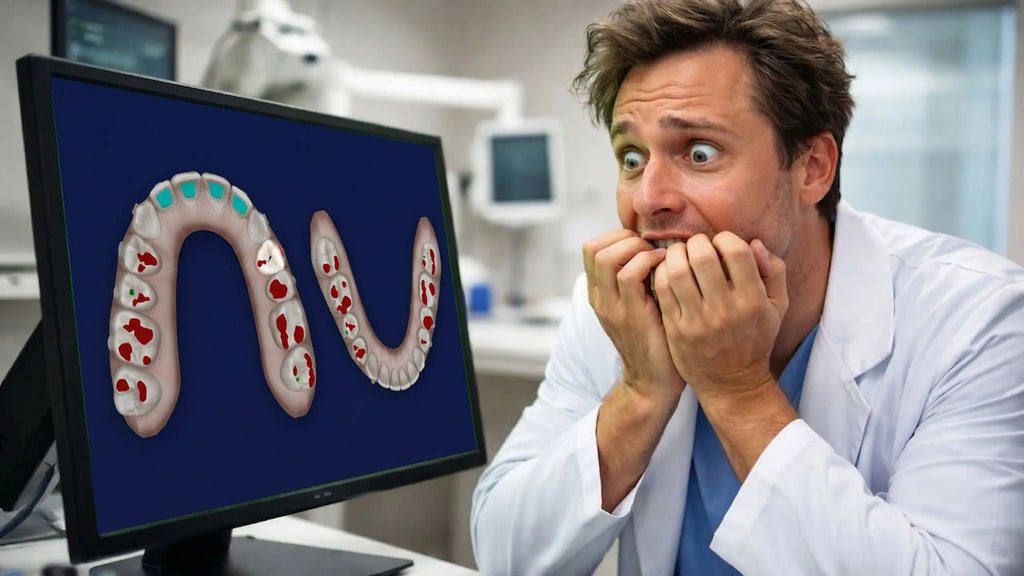
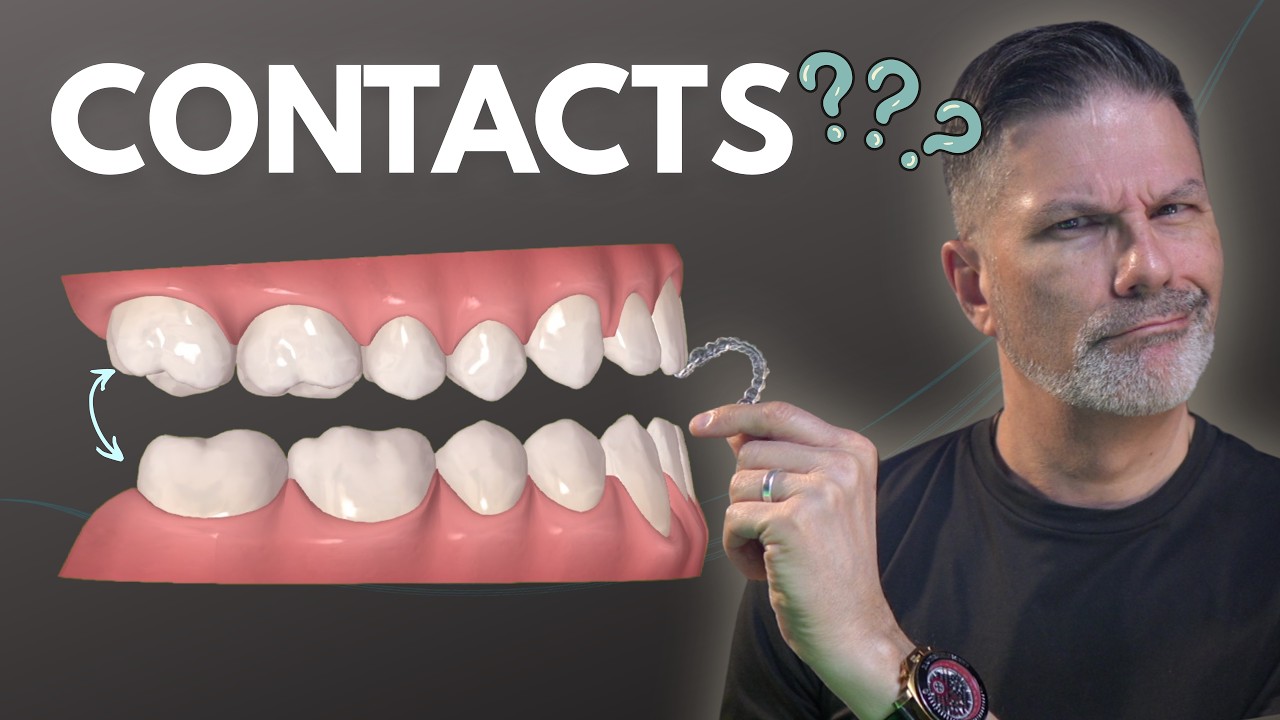
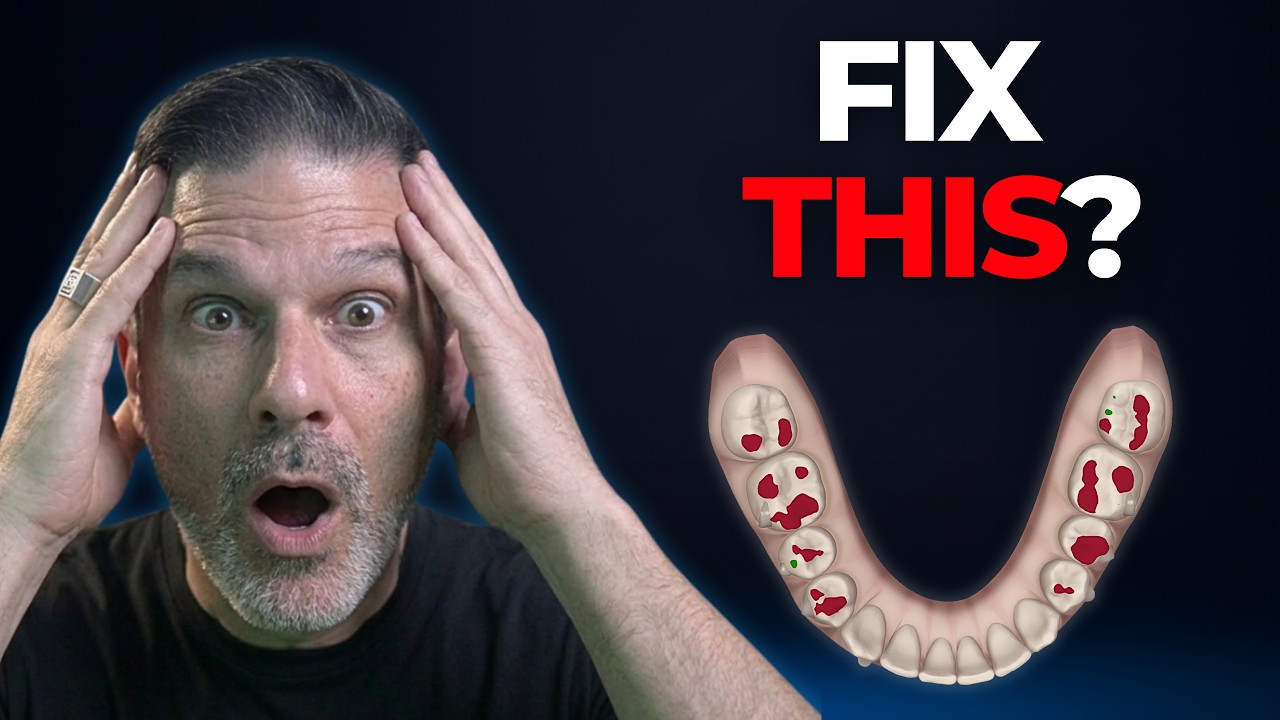
Why cleaning every red contact on the screen can create unnecessary movements and compromise a stable occlusion.

Deep bites, posterior disclusion, and the placement decisions that change whether the bite actually opens.
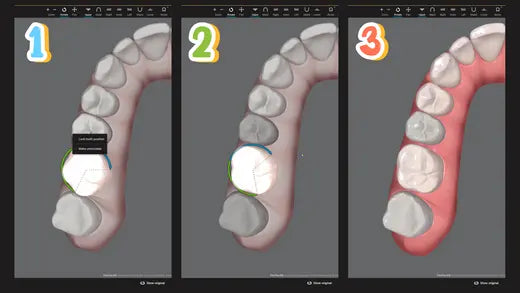
A small posterior correction can change space, classification, and the direction of the whole plan.
Dentists in the field
Real feedback from dentists learning to plan, troubleshoot, and finish clear aligner cases with more control.
Doctors trained through CLEAR education and coaching.
Would recommend learning with The CLEAR Institute.
Before you decide
Straight answers, no fine print surprises. If yours is not here, Eva is one scroll away.
Your next move
You do not need to know everything before you start. You just need the right next step. Whether you are preparing for your first clear aligner cases, trying to reduce refinements, or ready to understand more advanced mechanics, The CLEAR Institute can help you build the clinical confidence behind every decision.
Not sure which one fits? Start with Eva. That is exactly why she is here.
Not sure where to start?
Eva is our CLEAR Experience Manager. She has helped hundreds of dentists figure out exactly where to start — whether that's the free course, M.O.C.A. 101, or just a few honest answers to their questions.
On the call, you can ask about
Prefer email? eva@theclearinstitute.com

CLEAR Experience Manager
Eva's role is to make sure you find the right starting point and feel confident about it. No scripts, no sales pressure. Just a real conversation about where you are and where you want to go.
Your journey to mastering clear aligner treatment matters to us. Reach out and our team will connect with you shortly.
We are currently helping passionate dentists build confidence in clear aligner therapy. Stay inspired, we will be in touch soon.

Eva Wittenberg
CLEAR Experience Manager
Languages: English, French, German, Spanish
WRITE EVAMeet with Eva
15 minute guidance call
Review your objectives, clinical experience, and the most relevant next step within the CLEAR programs.
BOOK A CALL Copyright © 2026 The CLEAR Institute Inc.
All Rights Reserved.
Copyright © 2026 The CLEAR Institute Inc.
All Rights Reserved.


